Anna Zemánková :
hortus deliciarum #2
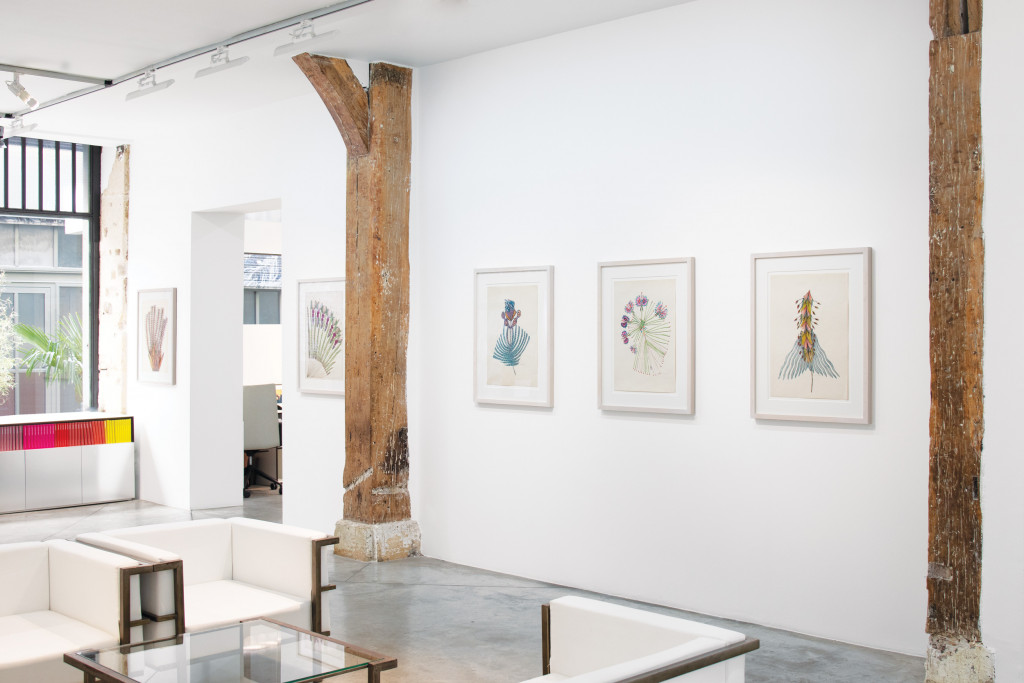
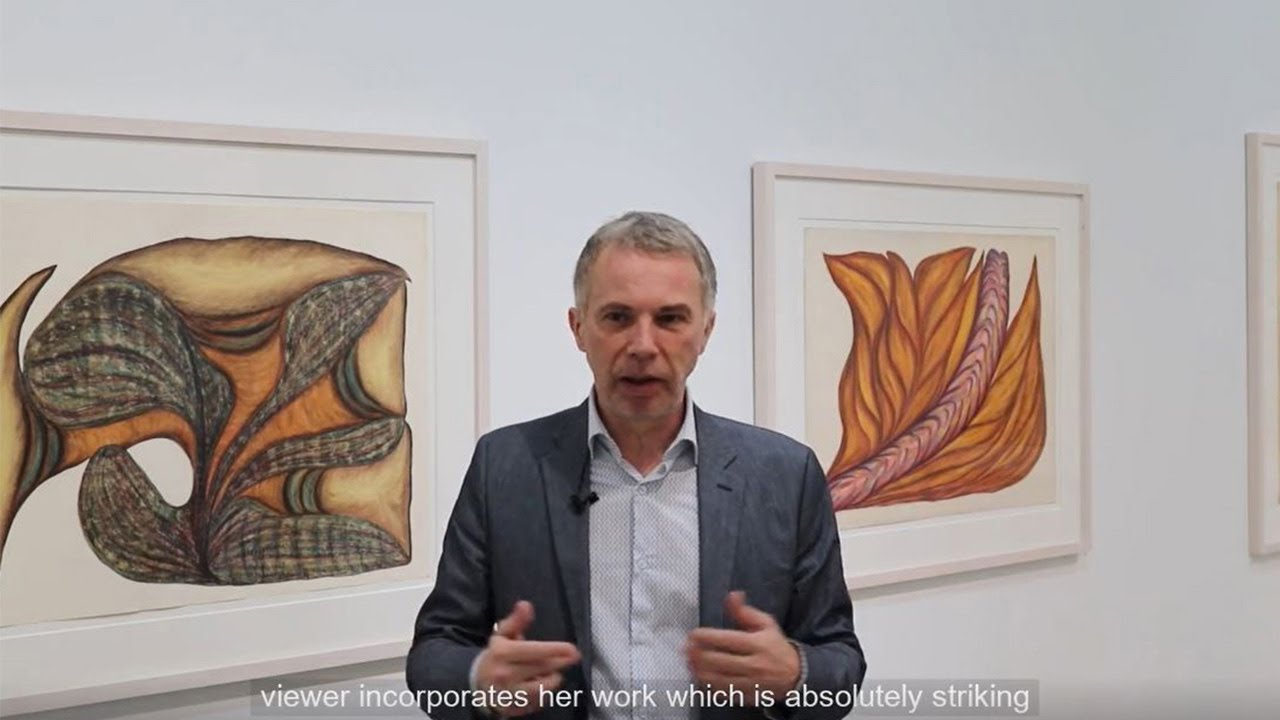
Anna Zemánková is a well-established figure in art brut, so much so that she was honoured in 2013 at the 55th Venice Biennale before an important group of her works just joined the collections of the Centre Pompidou. In the early 1960s this Moravian artist began to produce a body of work for which her humble background had not prepared her, and which responded in a striking way to injunctions from the innermost depths. « I grow flowers that don’t grow anywhere else » she used to say.
Second part of a monograph presented in 2013, hortus deliciarum #2 brings together a series of productions with striking details, fleshy flowers and fruits, filled with heady juices, gorged with the impulse of a woman who, relying on the unresolved mystery, simply says “I live”.
Anna Zemánková (1908-1986) is a well-established figure in art brut, so much so that she was honoured in 2013 at the 55th Venice Biennale. In the early 1960s this Moravian began to produce a body of work for which her humble background had not prepared her, and which responded in a striking way to injunctions from the innermost depths.
Thus, at a time when the demons of the night were still competing with the seminal iridescence of dawn, she would gather strange flowers in her mind before drawing them forth from the paper. Stitching them back together, embroidering them, pruning them, embossing them. Sometimes going so far as to suture them with satin tassels and ribbons, sometimes studding the heavens with thousands of pinpricks.
An entire system of white magic in the service of a hortus deliciarum from which she hoped, perhaps, to make the ointments, balms and potions that would cure her depression and float her being. Though her legs were amputated and she was condemned to the silent contemplation of daybreak, this germination was slowly growing inside her. ‘‘I grow flowers that don’t grow anywhere else,’’ she used to say. But from what herbarium of the abysses did these rootless, soil-less plants, these blooms – sometimes imaginary, sometimes organic – spring? To what plant kingdom do they belong? How are they to be classified? Moreover, like the work of the painter Séraphine de Senlis, are they still flowers? Are they not already fruit? Fleshy, filled with heady juices, gorged with the impulse of a woman who, giving herself over to an unresolved mystery, simply says, ‘‘I live’’.
Most of the works we have the pleasure of presenting are unveiled for the first time, and are among the most remarkable of her creation.
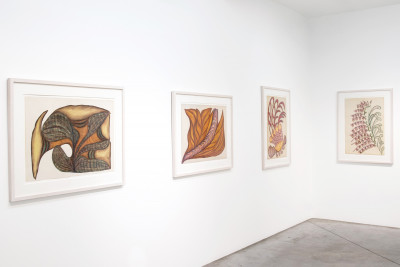
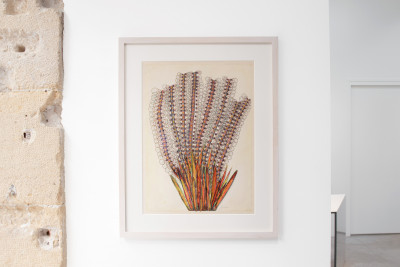
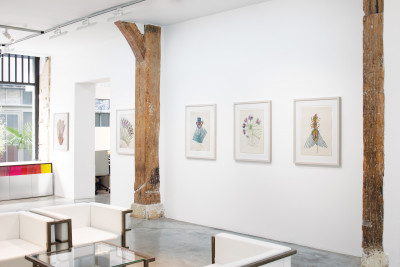
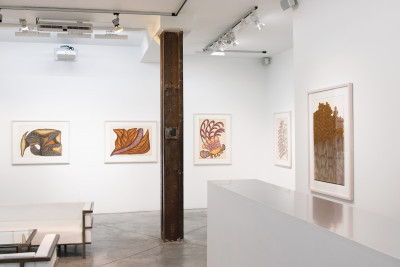
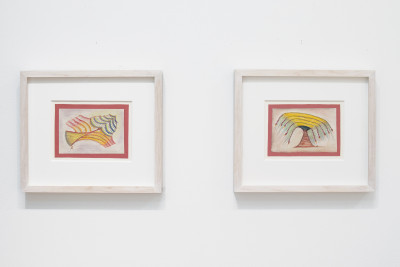
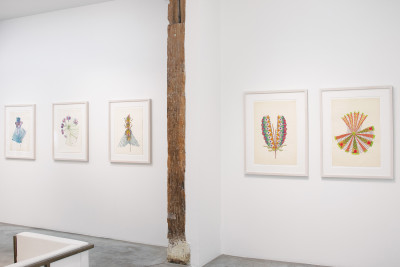
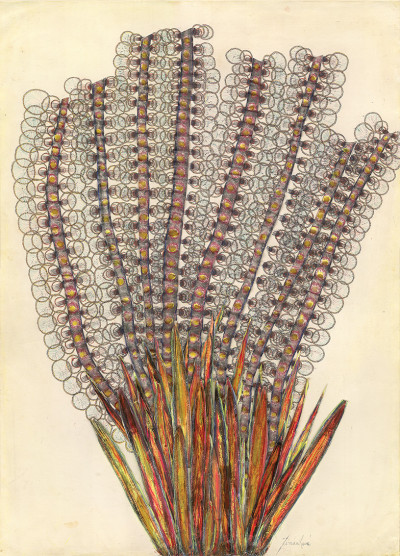
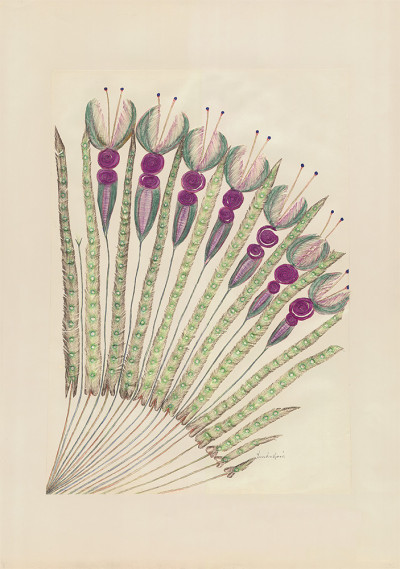
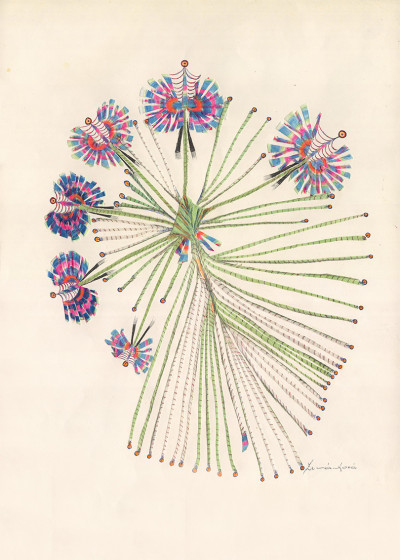
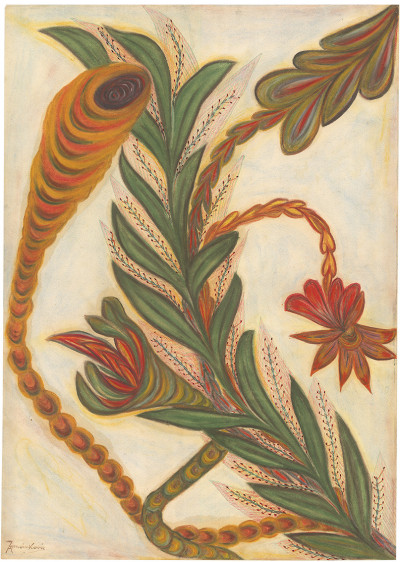
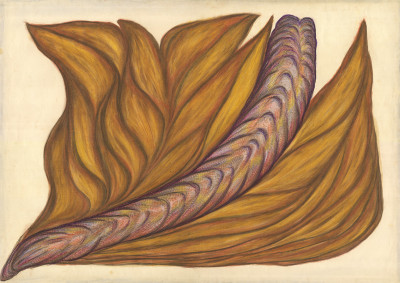
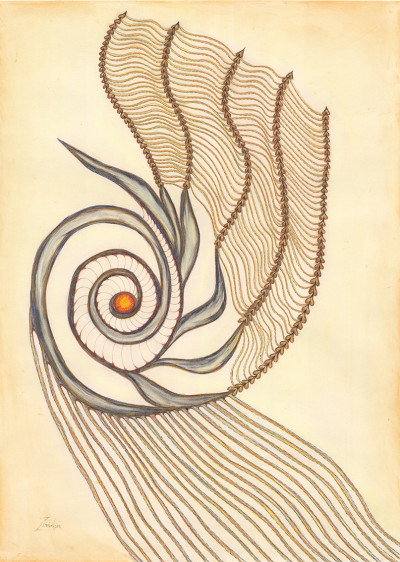
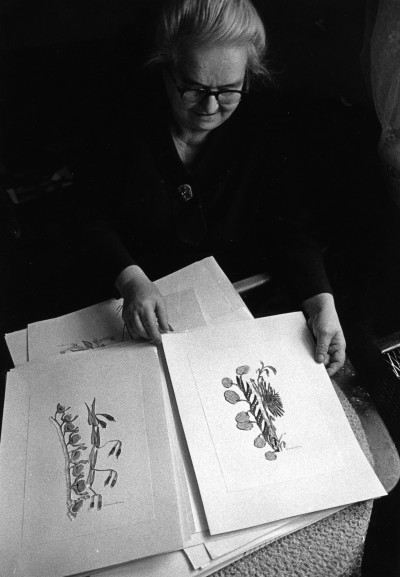
It was at the beginning of the 1960s that this humble Moravian woman began creating works, strikingly responding to impulses from the depths. At dawn, she would mentally gather flowers “that grow nowhere else,” making them emerge from the paper.
Anna Zemánková is an established figure of art brut, to the point that she was honored in 2013 at the Venice Biennale before a significant collection of her works joined the collections of the Centre Pompidou, the Boston Museum of Fine Arts, and the Mumok.
In 2023, the gallery presented her in a solo show at Art Basel Paris, and the following year Adriano Pedrosa, curator of the Venice Biennale, exhibited a group of her works. In 2026, the Hermès Corporate Foundation in Brussels subsequently presented eight of her drawings.
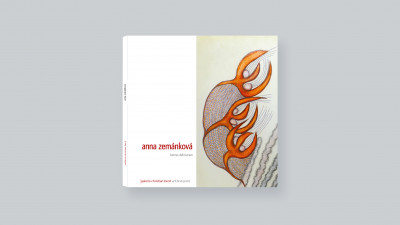
Preface : Terezie Zemankova
Foreword : Christian Berst
Catalog published to mark the exhibition Anna Zemankova : hortus deliciarum, from may 31st to july 20th, 2013.