japon brut
#2
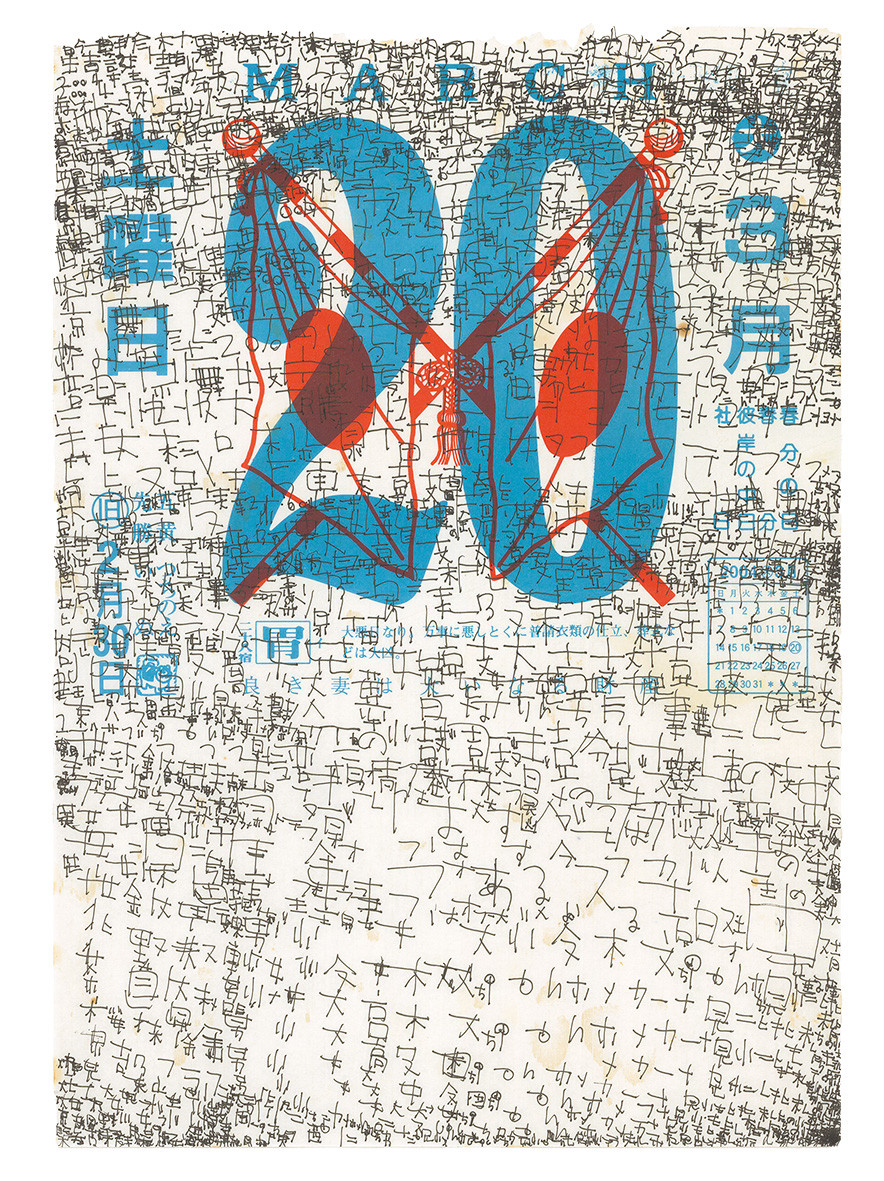
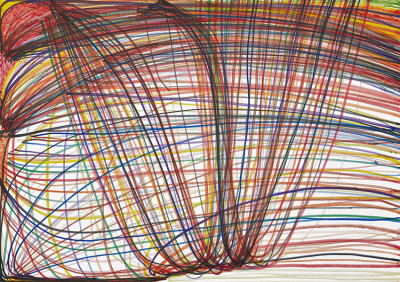
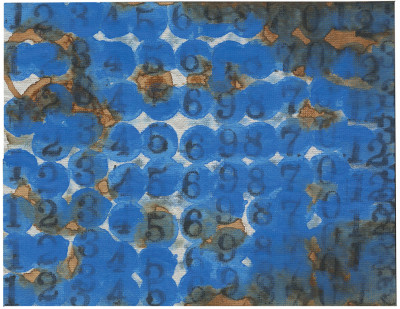
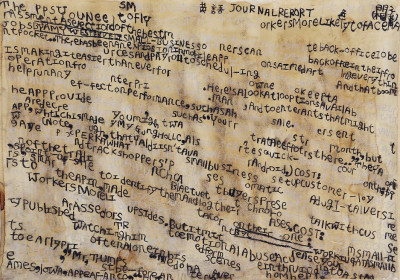
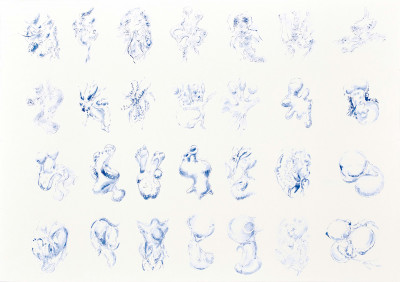
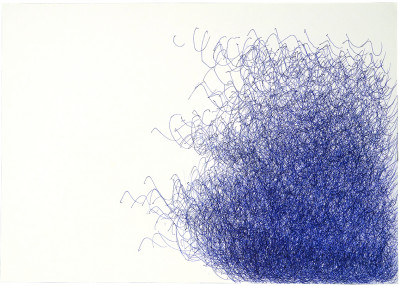
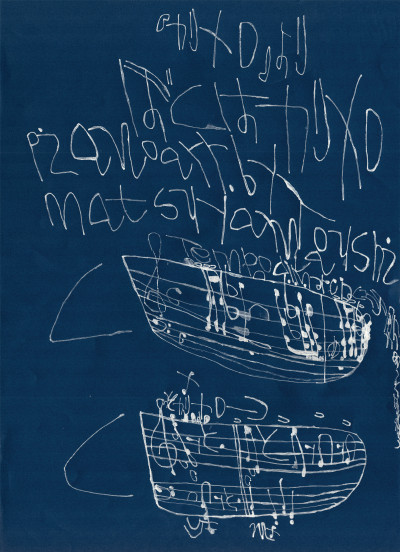
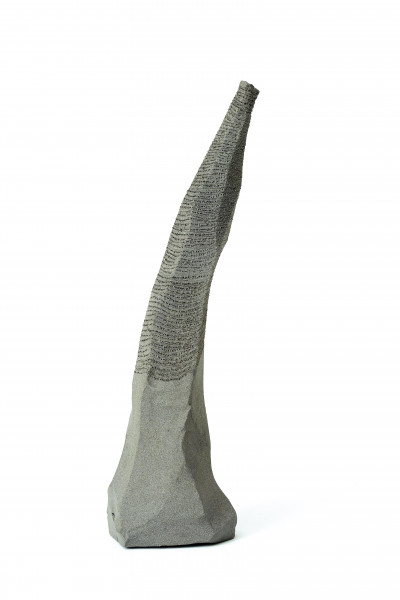
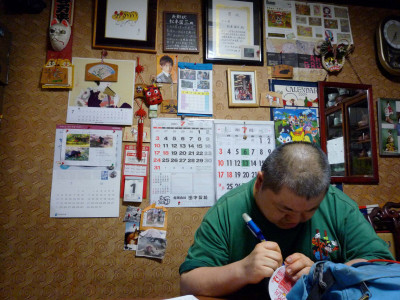
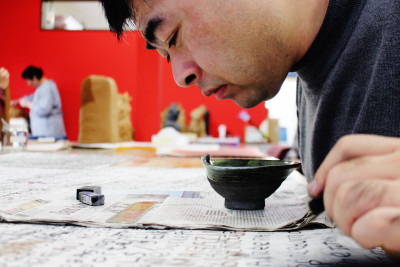
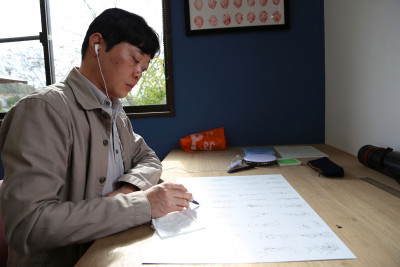
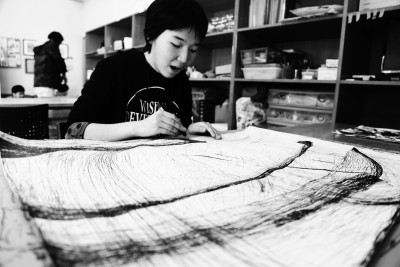
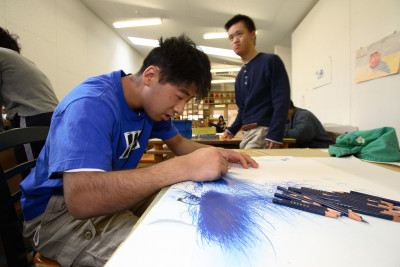
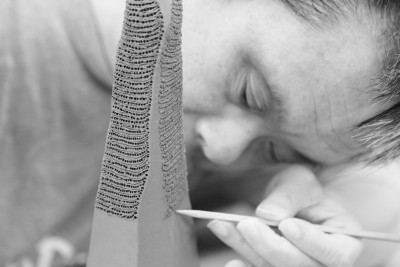
For this second installment of “Japan Brut,” the gallery presents a new group of works in which creation emerges between the lines. Lines of numbers, revisited ideograms, kanji tirelessly traced, and small faces engraved in the earth like petroglyphs.
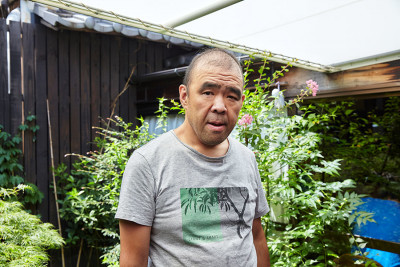
Thus, Hideaki Yoshikawa shapes hieratic people in clay, while Yumiko Kawai embroiders navels that draw the gaze into their concentric spirals; Yukio Miyashita spreads words that are foreign to him across the page like insects, while Kunizo Matsumoto animates almanac pages with these myriads of characters. Yuichi Saito scatters his clouds of ideograms across the sheet, while Masaki Mori unfolds serial processions that recall Henri Michaux. The young Momoko Nakagawa moves from the modulation of colored frequencies to the scansion of numbers within halos of coffee, and Koji Nishioka lets his inner music wander along undulating staves.
The examination of a paradox is an exquisite nourishment for the mind. And Art Brut is not sparing in this regard. Or at least this is the diet to which the explorers of this field have become accustomed.
In 1949, Jean Dubuffet first placed the exemption from artistic culture at the very front of his Brut temple. Yet more than three decades later he would acknowledge “that references to cultural conditioning always remain.” He even specified that “the ways of diverging from cultural art are infinite in number.”
For the Western observer, Japanese Art Brut first appears through a distance that accentuates its singularities. But beneath the thin layer of exoticism emerges a deeply universal dimension.

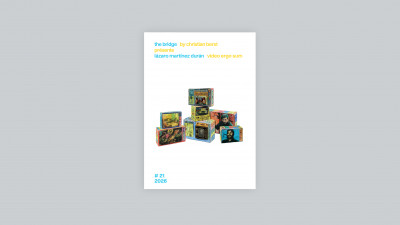
catalogue published on the occasion of the exhibition :
lázaro martínez durán : video ergo sum
from march 21 to april 18 avril 2026
to purchase the catalogue click here : cliquez ici